
Wildlife in the Attic: Signs, Risks & Removal Strategies
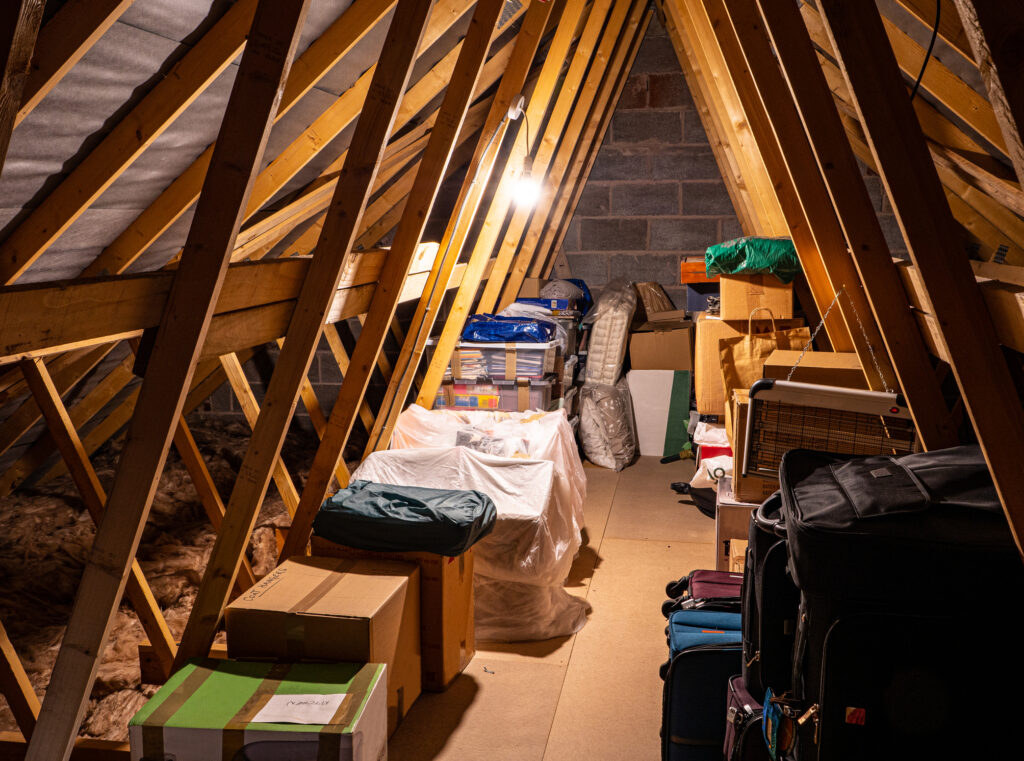
Hearing odd noises above your ceiling can be unsettling and for good reason. Many homeowners discover too late that squirrels, raccoons, birds, or other wildlife have turned their home’s attic into their personal shelter. These animals are only looking for warmth and safety, but their presence can lead to serious damage and health concerns. Understanding the signs, risks, and proper removal steps can help protect your home before the problem grows.
Why Wildlife Enters Your Attic
Attics naturally appeal to many types of wildlife. They’re warm, dry, protected from predators, and usually quiet enough for nesting. Animals naturally seek shelter as temperatures drop or storms roll in, and the attic often provides easier access than other areas of the home. Open soffits, gaps along the roofline, broken attic vents, and loose shingles create convenient entry points. Once inside, wildlife may settle in quickly, especially if they find insulation and stored items ideal for nesting.
Common Animals Found in Attics
Many species can make their way into an attic, especially during colder months or periods of severe weather. Homeowners often encounter:
Each animal brings unique challenges, from chewed wiring to contaminated insulation, making early identification important.
Warning Signs of Wildlife in Your Attic
Animals excel at staying out of sight, which means you will most likely hear or see evidence before you ever spot an animal. Look out for these clues that you may have uninvited guests in your attic:
- Scurrying, scratching, or flapping sounds: Noises at night or early morning often indicate nesting or movement.
- Damaged insulation or chewed items: Wildlife may tear insulation or shred stored belongings for nest material, while rodents tend to gnaw on things.
- Droppings or foul odors: Strong smells or visible waste are common signs of ongoing activity.
- Visible nests or materials pushed into corners: Birds, squirrels, and rodents often create nests in open or hard-to-reach spaces.
- Grease marks or disturbed entry points: Animals frequently leave smudges or debris around vents and gaps.
Health & Safety Risks of Attic Wildlife
Allowing wildlife to live in your attic unchecked can create serious hazards. Many animals carry parasites, bacteria, or viruses that can contaminate insulation and air quality. Chewed electrical wiring is another major concern, as it increases the risk of electrical fires. Larger animals like raccoons and opossums may become aggressive if cornered, and bats often roost in large groups, meaning that infestations grow quickly. Monitoring your attic and addressing issues early can help prevent significant damage, health risks, and expenses.
Wildlife Prevention Tips
Several steps can reduce the likelihood of animals entering your attic. Taking a few preventive measures now can help you avoid issues later, so follow these tips to keep wildlife from getting established in your home:
- Inspect and seal entry points: Check vents, soffits, chimneys, and gaps along the roofline, and repair or cover any openings.
- Trim tree branches near the home: Overhanging limbs create easy pathways for squirrels and raccoons to access your roof.
- Secure trash and outdoor food sources: Properly closing bins and removing pet food reduces attractants.
- Repair damaged screens or vents: Animals often enter through loose attic screens or broken vent covers.
- Keep the attic dry and well-ventilated: Moisture attracts insects, which in turn attracts wildlife looking for food.
- Store items in sealed plastic containers: Plastic bins offer fewer nesting opportunities than cardboard boxes.
Wildlife FAQs
Can animals in the attic cause long-term damage?
Wildlife can damage insulation, wiring, ductwork, and stored belongings, and some species leave behind waste or bring parasites that pose health risks. Addressing an infestation early helps prevent lasting issues.
What’s the safest way to remove wildlife from your home?
The safest approach is to hire a licensed professional.
Call Home Paramount Pest Control for Professional Wildlife Removal
Removing wildlife from an attic requires training, protective gear, and an understanding of animal behavior. Attempting to do it yourself can lead to an incomplete removal, leaving the infestation to continue unnoticed. Home Paramount Pest Control offers humane wildlife removal, exclusion work to prevent re-entry, and long-term prevention strategies. With certified technicians, free pest inspections, and over 85 years of trusted experience, we provide safe, effective wildlife control solutions for any type of attic intruder.
Contact us today to request your free pest inspection and remove wildlife from your attic.


Why Choose Us?
Providing Reliable Pest & Wildlife Solutions Since 1939
At Home Paramount Pest Control, we have been dedicated to delivering reliable pest and wildlife management solutions for over 85 years. Our long-standing presence in the industry speaks volumes about our commitment to excellence and customer satisfaction. When you trust our team, you can always count on:
- Customized solutions to suit your specific needs
- Same-day service availability for pest infestation emergencies
- High-quality green products that are safe for the environment
- Complimentary pest inspections
- Affordable financing solutions tailored to your budget
Call us at 888-888-4663 to get started with a free pest inspection for your property today!
Learn More