

How To Seal Entry Points To Keep Pests Out
Learn how to keep bugs out of house by sealing cracks, securing doors and windows, covering vents, repairing exterior damage, and reducing food and moisture sources. These practical home-hardening measures can help limit common pest entry points and make your property less attractive to insects and rodents throughout the year.
Learning how to keep bugs out of house areas starts with one of the simplest pest prevention strategies: blocking the openings that allow insects and rodents inside. Even tiny cracks around windows, doors, foundations, pipes, and vents can create convenient pathways into your home.
Pests may enter while searching for food, water, shelter, or a protected place to nest. Seasonal weather changes can increase this activity as insects and rodents seek relief from heat, cold, rain, or other outdoor conditions. By inspecting vulnerable areas and addressing gaps before pests take advantage of them, homeowners can reduce the conditions that contribute to recurring infestations.
In this blog post, the pest control experts at Home Paramount Pest Control explain common pest entry points and practical home-hardening measures that can help keep unwanted insects and rodents outside where they belong.
Why Do Pests Enter Homes?
Pests enter homes for several reasons, including access to food, moisture, warmth, and shelter. Changes in outdoor conditions can make the controlled environment inside a home particularly appealing, especially when pests can find an easy way indoors.
Ants, spiders, cockroaches, mice, and other pests can use surprisingly small openings to enter. Once inside, they may find food crumbs, standing water, plumbing leaks, or undisturbed spaces that offer suitable conditions for continued activity.
This is why pest prevention should involve more than treating insects after they appear. Identifying and sealing potential entry points can reduce opportunities for pests to invade in the first place.
Common Pest Entry Points Around Your Home
A thorough inspection should cover both obvious openings and less noticeable gaps around your home’s exterior. Some of the most common entry points include:
- Windows: Gaps around window frames and damaged screens can allow ants, spiders, flies, and other insects indoors.
- Doors: Worn weatherstripping, damaged door sweeps, and gaps beneath exterior doors can create easy access for pests.
- Foundations: Cracks and gaps in foundation walls can provide pathways for insects and rodents.
- Utility openings: Spaces surrounding plumbing pipes, electrical wires, cables, and other utility lines can allow pests to move through exterior walls.
- Vents: Unscreened or damaged vents can give insects and rodents access to attics, crawl spaces, and other areas.
- Roofing and siding: Damaged shingles, siding, soffits, and exterior walls can create openings that pests may exploit.
- Attics and crawl spaces: Unsealed vents and other openings can create sheltered areas where rodents and insects may enter and establish nests.
How To Seal Pest Entry Points
Once vulnerable areas have been identified, sealing them can help create a stronger barrier between your home and the outdoors. Different openings require different materials and approaches, so inspect each area carefully before making repairs.
Seal Cracks in the Foundation
Foundation cracks can provide access for ants, termites, spiders, and other pests, particularly when the openings connect directly with soil or other exterior areas.
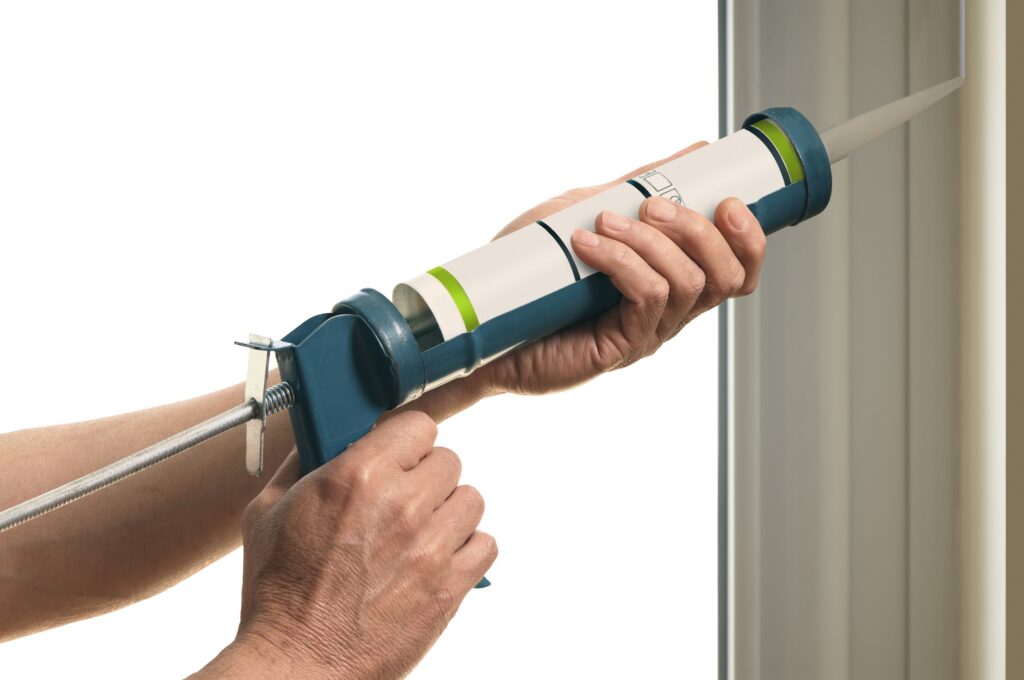
Inspect foundation walls regularly for new cracks or deteriorating areas. Small, suitable gaps may be sealed with caulk or an appropriate cement-based filler, while larger structural concerns may require professional repair.
Secure Doors & Windows
Doors and windows are among the most accessible parts of a home, making their condition important for pest prevention. Check weatherstripping around exterior doors and replace damaged sections when necessary.
Install or replace door sweeps to close gaps beneath doors and inspect window frames for spaces that may need caulking. Torn screens should also be repaired or replaced so flying insects cannot enter through open windows.
Seal Utility Openings
Pests can take advantage of small gaps around plumbing pipes, electrical wiring, cables, and other utility penetrations. Inspect these areas both inside and outside the home, particularly where utilities pass through exterior walls.
Depending on the location, suitable caulk, foam, or metal mesh can help close these openings. Avoid blocking areas that require ventilation or access for safety and maintenance.
Cover Vents & Openings
Vents in attics, crawl spaces, bathrooms, kitchens, and other parts of the home can provide access to insects and rodents when they are damaged or inadequately screened.
Inspect vent covers for holes, loose sections, or other damage. Appropriate metal mesh or screens can help block pests while allowing necessary airflow to continue.
Repair Damaged Siding & Exterior Surfaces
Cracks, holes, and gaps in siding or exterior walls can give pests direct access to the structure. Inspect areas around corners, joints, utility penetrations, and other transitions where materials meet.
Repair damaged siding and seal suitable gaps to reduce potential access. Pay attention to areas near the foundation because pests can move from soil or vegetation into openings along the lower portion of the home.
Other Ways to Make Your Home Less Attractive to Pests
Sealing entry points is an important part of pest prevention, but home hardening works best when combined with measures that reduce food, water, and shelter around the property.
Keep Food Sealed
Store pantry items in tightly sealed containers rather than leaving opened packages exposed. Clean up crumbs and spills promptly, particularly around kitchen counters, floors, cabinets, and appliances.
Pet food should also remain sealed when not in use, since accessible food can attract ants, cockroaches, rodents, and other pests.
Manage Household Waste
Use trash containers with secure lids and empty them regularly. Clean spills around indoor and outdoor trash receptacles so lingering food odors and residue do not attract pests.
Address Moisture Problems
Leaking pipes, dripping faucets, clogged gutters, and standing water can create conditions that attract pests. Repair plumbing leaks promptly and inspect areas beneath sinks, around appliances, and near exterior walls for recurring moisture.
Maintaining gutters and directing water away from the foundation can also help reduce moisture accumulation around the home.
Maintain Landscaping
Overgrown vegetation can create shelter and pathways for pests near exterior walls. Trim shrubs, branches, and other vegetation away from the structure to make inspections easier and reduce direct contact between plants and the home.
Remove accumulated leaves, debris, and other organic material from areas immediately surrounding the foundation when appropriate.
When Should You Consider Professional Pest Control?
Sealing cracks and maintaining your property can reduce opportunities for pests to enter, but these measures may not resolve an infestation that is already established. Professional assistance may be appropriate when pest activity continues despite repeated prevention efforts.
Look for signs such as recurring insects, persistent pest trails, droppings, damaged materials, unusual sounds in walls or attics, or visible nests. Multiple types of pests appearing throughout the home can also indicate that several entry points or environmental conditions need attention.
A professional inspection can help identify less obvious access points and conditions that may be contributing to recurring pest activity. Addressing those factors alongside appropriate pest control can create a more comprehensive prevention strategy.
Schedule Pest Control & Exclusion Services with Home Paramount Pest Control
Knowing how to keep bugs out of house areas involves more than sealing one visible crack. A thorough approach combines exterior inspections, properly sealed entry points, moisture management, food storage, landscaping maintenance, and attention to areas such as attics, crawl spaces, vents, and utility penetrations.
Home Paramount Pest Control offers pest control services designed to help homeowners address unwanted pest activity and reduce conditions that can contribute to recurring infestations. Professional support can be especially helpful when pests continue appearing despite efforts to seal obvious openings.
Schedule a free pest inspection with Home Paramount Pest Control to take the next step toward a more pest-resistant home.
Frequently Asked Questions
What are the most common pest entry points in a home?
Common entry points include cracks in foundations, gaps around doors and windows, openings around utility lines, damaged siding, vents, and unsealed attic or crawl space openings.
How can I seal cracks to keep pests out?
Small gaps around windows, doors, foundations, and utility openings can often be sealed with appropriate caulk, weather-resistant sealant, or other suitable materials.
Can sealing entry points prevent a pest infestation?
Sealing potential entry points can reduce opportunities for pests to enter, but established infestations may require professional pest control to address colonies and hidden activity.
How often should I inspect my home for pest entry points?
Inspect your home’s exterior periodically and after severe weather, paying particular attention to damaged screens, doors, siding, roofing, foundations, and areas surrounding utility lines.
What else can I do to keep bugs out of my house?
Keep food sealed, address plumbing leaks, maintain gutters, remove standing water, manage outdoor waste, and trim vegetation away from exterior walls to reduce pest attractants.



Why Choose Us?
Providing Reliable Pest & Wildlife Solutions Since 1939
At Home Paramount Pest Control, we have been dedicated to delivering reliable pest and wildlife management solutions for over 85 years. Our long-standing presence in the industry speaks volumes about our commitment to excellence and customer satisfaction. When you trust our team, you can always count on:
- Customized solutions to suit your specific needs
- Same-day service availability for pest infestation emergencies
- High-quality green products that are safe for the environment
- Complimentary pest inspections
- Affordable financing solutions tailored to your budget
Call us at 888-888-4663 to get started with a free pest inspection for your property today!
Learn More