

Why Are Ants In My Kitchen After It Rains?
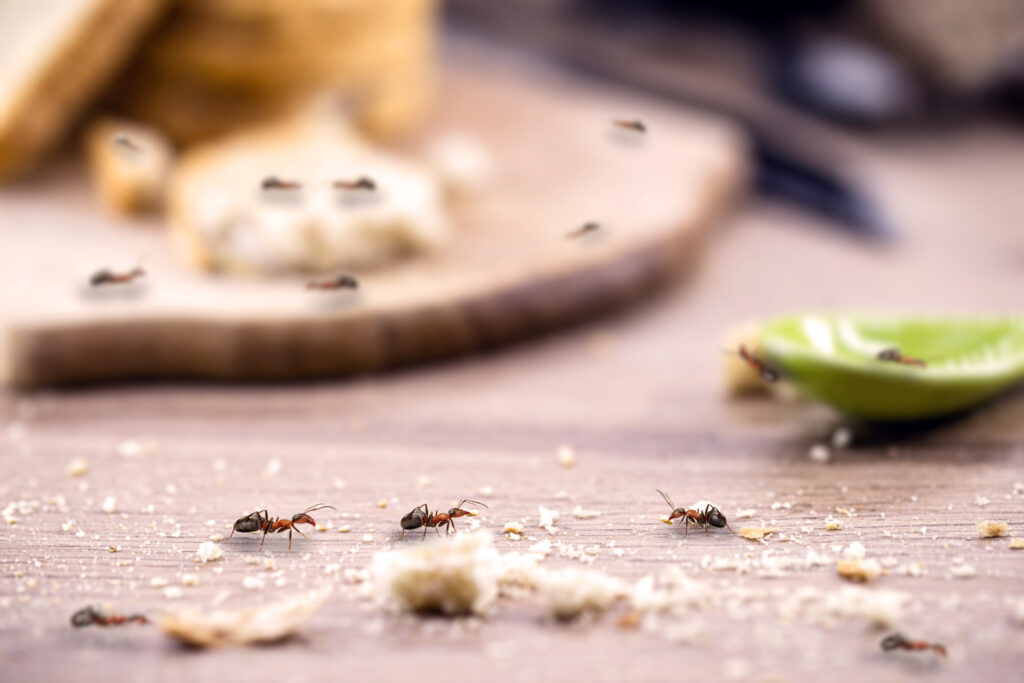
Rain can disrupt outdoor ant colonies and drive ants indoors through small cracks, gaps, and utility openings. Learn why ants enter kitchens after storms, how to reduce food and moisture sources, seal common entry points, and recognize when recurring activity may require professional ant control.
If you notice ants appearing in your kitchen shortly after a storm, you may wonder why they suddenly seem more active indoors. Seeing ants in house after rain is a common problem because rainfall can disrupt outdoor colonies and change the conditions ants depend on for food, shelter, and water.
When rain saturates the soil around a home, ants may search for higher, drier ground and new sources of food. Small openings around foundations, windows, doors, plumbing lines, and other exterior areas can give them a convenient route indoors.
In this blog post, the ant control specialists at Home Paramount Pest Control explain why ants enter homes after rainfall, how to reduce the conditions that attract them, and what you can do when recurring activity becomes difficult to control.
Why Do Ants Come Inside After It Rains?
Rain can significantly alter the environment surrounding an ant colony. Heavy rainfall may flood underground nests or disturb established nesting areas, forcing ants to move temporarily or search for more suitable shelter.
Your home can offer several things ants need, including warmth, protection from the elements, moisture, and accessible food. Kitchens are especially attractive because crumbs, spills, pantry items, pet food, and water around sinks can create multiple resources in one location.
Rain can also cause ants to become more noticeable because workers may leave their usual outdoor paths while searching for safer conditions. Once they discover an opening into your home, they can establish trails that lead toward reliable food and water sources.
Understanding why ants behave this way can help you prevent them from invading your home. For additional kitchen-specific prevention strategies, read 5 Tips for Preventing Ants in Your Kitchen.
How are Ants Getting into My Kitchen?
Ants do not need a large opening to enter a home. Small cracks and gaps that might seem insignificant can create accessible pathways between the outdoors and your kitchen.
Common entry points include:
- Foundation cracks: Small cracks in foundation walls or other exterior surfaces can give ants access to the interior.
- Gaps around windows and doors: Damaged weatherstripping, poorly sealed frames, and spaces beneath exterior doors can create easy routes indoors.
- Utility openings: Gaps around plumbing pipes, electrical wires, cables, and other utility lines can allow ants to move through walls and into living spaces.
- Exterior wall openings: Damaged siding, cracks, and gaps around exterior materials can provide access to the structure.
- Roof and vent openings: Although ants typically enter closer to ground level, damaged areas around vents, roofing, or other openings can also contribute to pest activity.
After heavy rainfall, inspect these areas for openings that could allow ants to bypass your home’s exterior defenses.
How to Keep Ants Out After Rain
Reducing access to food and water is important, but preventing ants from entering your home in the first place can make your kitchen less appealing.
Seal Cracks & Gaps
Inspect the foundation, exterior walls, window frames, and doorways for cracks or gaps. Seal appropriate openings with caulk, cement-based fillers, weatherstripping, or door sweeps depending on the location and type of opening.
Pay particular attention to areas where different building materials meet, since these locations can develop small gaps over time.
Secure Openings Around Pipes & Utilities
Check the areas where plumbing pipes, electrical wires, and cables enter your home. Even narrow spaces around these openings can become access points for ants.
Appropriate caulk, foam, or metal mesh can help close some gaps, although the material should be selected based on the location and the type of opening being sealed.
Keep Food Sealed
Once ants enter a home, accessible food can encourage them to remain active indoors. Store pantry staples such as sugar, flour, cereal, snacks, and other dry foods in airtight containers.
Keep pet food sealed when it is not being used, and clean up food spills as soon as possible. Sweet substances can be particularly attractive to ants, so inspect countertops, cabinets, floors, and other preparation areas for residue.
Clean Kitchen Surfaces
Crumbs and food residue can give ants a reason to continue following established trails. Wash dishes promptly, wipe countertops after meals, and clean areas around appliances where food particles can accumulate.
Do not overlook the sink. Food residue combined with moisture can create an attractive source for ants, particularly after rainfall has already disrupted outdoor nesting areas.
Repair Leaks & Remove Moisture
Rain is not the only source of moisture that can attract ants. Dripping faucets, leaking pipes, damp areas beneath sinks, and water collecting around appliances can also make a kitchen more appealing.
Inspect plumbing fixtures regularly and repair leaks when they are discovered. Wipe up standing water and address recurring moisture problems rather than simply drying the area temporarily.
Keep Vegetation Away from Exterior Walls
Plants, shrubs, and tree branches that touch or closely surround your home can create pathways for ants and other pests. Trim vegetation away from exterior walls, windows, and other potential entry points.
Keeping the area immediately around your home maintained can also make it easier to spot cracks, gaps, damaged siding, and other conditions that need attention.
What Should I Do If I See Ant Trails After Rain?
Finding a few ants after a storm does not necessarily mean that a colony has established itself inside your home. However, repeated trails can indicate that ants have discovered a reliable route to food or water.
Avoid focusing only on the ants you can see. Follow the trail when possible and look for the opening where they are entering. Check around baseboards, windows, doors, cabinets, plumbing fixtures, and exterior walls.
Cleaning visible trails can remove some food residue and temporarily disrupt their path, but it may not address the colony or the entry point responsible for the activity. If ants continue returning after you clean and seal obvious openings, professional inspection may help identify the source.
Need Help? 888-888-4663
When To Call a Professional Ant Control Specialist
Occasional ant activity after rainfall can sometimes be addressed by eliminating food sources and sealing accessible openings. Recurring activity, however, can indicate a more persistent problem.
Consider professional assistance if you notice:
- Recurring ant activity: Ants repeatedly return after you clean surfaces and address visible entry points.
- Large numbers of ants: Dozens or hundreds of ants appearing at once may indicate a nearby colony or established trail.
- Persistent trails: Ants repeatedly traveling through the same areas can indicate that they have established a route between the colony and an indoor resource.
- Visible nests: Finding nests inside walls, around the foundation, or elsewhere on the property can point to a larger infestation.
- Ants appearing in multiple areas: Activity throughout the kitchen and other parts of the home may indicate that ants have found multiple access points or resources.
Professional pest control can help identify where ants are coming from and determine an appropriate approach for addressing recurring activity.
Call Home Paramount Pest Control for Professional Ant Solutions
Rain may explain why ants suddenly become more noticeable, but recurring indoor activity can have several contributing factors. Openings around the home’s exterior, accessible food, moisture, and nearby nesting areas can all play a role in keeping ants active inside.
Home Paramount Pest Control offers professional pest control services to help homeowners address unwanted ant activity. A professional inspection can help identify potential entry points and conditions that may be contributing to recurring infestations.
Request ant extermination services by contacting Home Paramount Pest Control today.
Frequently Asked Questions
Why do ants come inside the house after it rains?
Heavy rainfall can disturb outdoor ant colonies and cause ants to seek drier shelter, food, and water inside nearby homes.
How can I keep ants out of my kitchen after rain?
Seal cracks and gaps around the home’s exterior, store food securely, clean kitchen surfaces, repair leaks, and remove standing water that may attract ants.
Where do ants enter the house after it rains?
Ants can enter through foundation cracks, gaps around doors and windows, openings around plumbing and utility lines, damaged siding, and other small exterior openings.
Should I be concerned if I see ants after heavy rain?
A few ants may simply be searching for shelter, but recurring trails or large numbers of ants can indicate an established route or nearby colony that may require professional attention.
How long do ants stay inside after it rains?
Ant activity can continue after rainfall as ants search for food, water, and suitable shelter, particularly if they discover a reliable resource inside the home.



Why Choose Us?
Providing Reliable Pest & Wildlife Solutions Since 1939
At Home Paramount Pest Control, we have been dedicated to delivering reliable pest and wildlife management solutions for over 85 years. Our long-standing presence in the industry speaks volumes about our commitment to excellence and customer satisfaction. When you trust our team, you can always count on:
- Customized solutions to suit your specific needs
- Same-day service availability for pest infestation emergencies
- High-quality green products that are safe for the environment
- Complimentary pest inspections
- Affordable financing solutions tailored to your budget
Call us at 888-888-4663 to get started with a free pest inspection for your property today!
Learn More